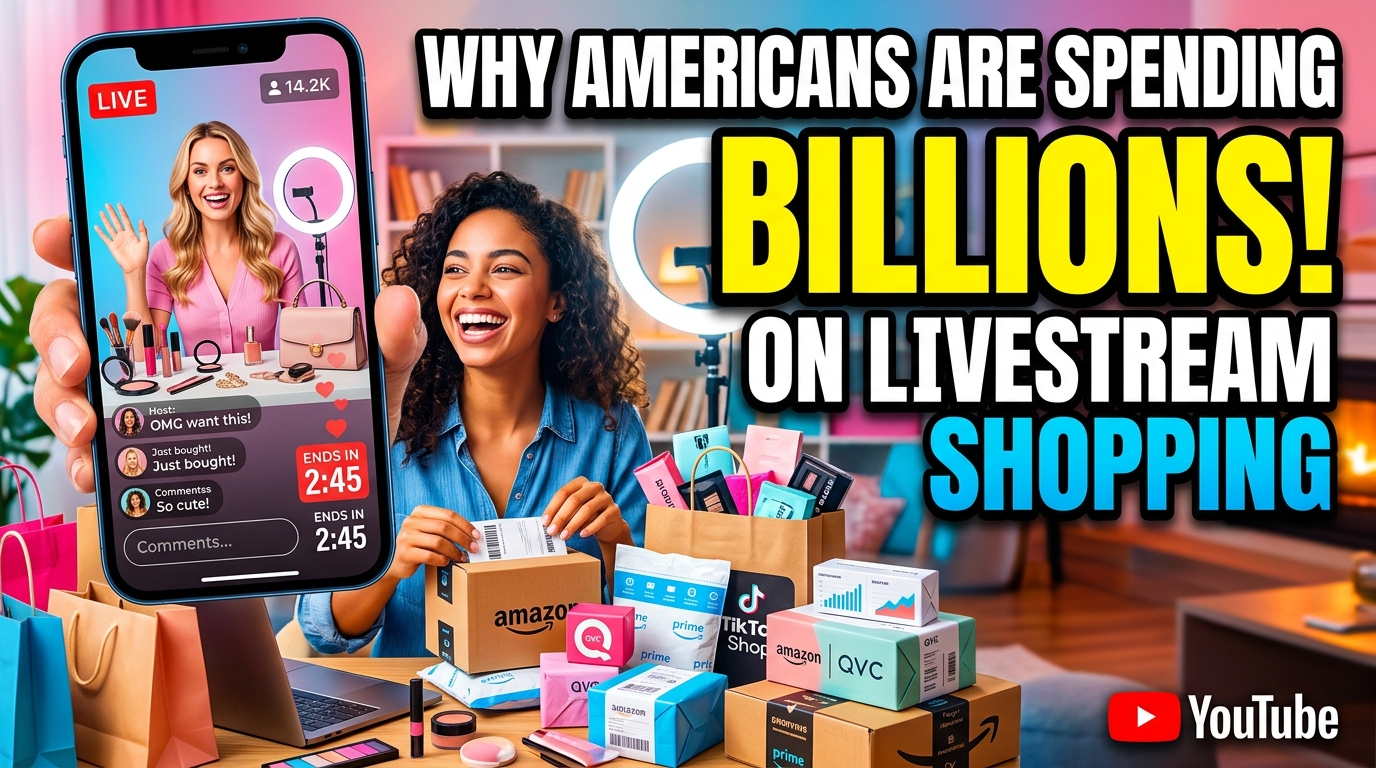
Online shopping has changed dramatically over the past few years. Consumers no longer have to visit a physical store to discover new products, watch demonstrations, or ask questions before making a purchase. Today, they can do all of these things from their phones through livestream shopping.
Livestream shopping combines online shopping, entertainment, product demonstrations, and real-time interaction. Sellers showcase products while viewers watch, ask questions, participate in conversations, and sometimes purchase items directly during the broadcast.
What once seemed like a trend limited to a few social media platforms is becoming an increasingly important part of e-commerce in the United States. From beauty products and fashion to collectibles and electronics, livestream shopping is creating new opportunities for retailers, creators, and entrepreneurs.
But why are Americans becoming more interested in this shopping experience, and can businesses realistically make money from it?
What Is Livestream Shopping?
Livestream shopping, also called live commerce, allows sellers to promote and sell products through live video broadcasts.
Instead of simply uploading a product photo to an online store, a seller can demonstrate how an item works, explain its benefits, answer questions, and offer special deals while viewers watch.
Imagine watching a hairstylist demonstrate a curling iron. You can see how the product works, learn styling techniques, ask questions about its features, and potentially purchase it without leaving the livestream.
That is the idea behind live commerce: bringing some of the experience of shopping in a physical store into the digital world.
Platforms such as TikTok, Whatnot, and Amazon Live give sellers different ways to connect with shoppers through live video and product-focused content.
The format is particularly attractive because it combines shopping with entertainment. People may join a livestream to learn about a product, enjoy the host's personality, discover something new, or take advantage of a limited-time offer.
Why Livestream Shopping Is Growing in America
For years, livestream shopping grew much faster in China than in the United States. However, the American market has increasingly embraced the format.
The interview highlights the growth of livestream shopping after the pandemic and points to rising activity on TikTok Shop. According to figures shared in the interview, TikTok Shop's U.S. livestream sales more than doubled in the first half of 2026 compared with the same period in 2025.
One reason for this growth is convenience. Consumers can discover and purchase products without switching between several websites or apps.
Another reason is the interactive experience. Traditional online shopping often involves looking at photographs and reading descriptions. A livestream allows shoppers to see products being used and hear explanations directly from the seller.
Special offers also play a role. Some brands use livestreams to introduce products, offer exclusive discounts, run giveaways, or encourage viewers to purchase during the event.
However, the appeal goes beyond discounts. A good livestream can make viewers feel involved in a community rather than simply being targeted by an advertisement.
How Brands Use TikTok Shop to Sell Products
One of the examples featured in the interview is Beachwaver, a haircare company led by celebrity hairstylist Sarah Potempa.
The company uses livestreams to demonstrate its automatic curling irons and other haircare products. During these broadcasts, the team provides styling education, answers questions, promotes special offers, and interacts with viewers.
The interview describes one broadcast generating approximately $3,000 in sales and selling around 1,000 products after the stream had been running for about an hour.
These figures illustrate the potential of live selling, although results from one broadcast should not be treated as typical for every business.
Beachwaver's approach also demonstrates an important marketing strategy: using livestreams to attract new customers with special offers and encouraging them to return later to purchase at regular prices.
The strategy is not simply to display products. It is to give viewers a reason to watch, participate, and remember the brand.
Businesses interested in exploring this approach can learn more through TikTok Shop, which provides information for sellers who want to reach customers through the platform.
Whatnot Is Turning Livestream Shopping Into a Community
While TikTok Shop has helped bring live commerce to a broader audience, Whatnot has built its business around live selling, auctions, and enthusiast communities.
Founded in 2019, Whatnot initially gained attention through collectible categories such as Funko Pop figures and Pokémon cards. It has since expanded into numerous categories, bringing together sellers and buyers who share specific interests.
The interview describes how the platform has grown from a relatively small number of livestream sellers to thousands of people broadcasting on a regular basis.
One of Whatnot's most important advantages is its focus on community.
Collectors may return to the same sellers repeatedly because they enjoy the conversations, trust the hosts, and want to discover items related to their interests. Over time, a livestream can become a gathering place for people with similar hobbies.
Whatnot also uses real-time auctions, allowing viewers to bid on items while a seller presents them.
This format can make shopping more interactive, but it also requires responsible purchasing habits. Competitive bidding and time-sensitive offers can encourage people to spend more than they intended.
The lesson for businesses is that building a loyal community can be just as important as attracting a large audience.
Major Retailers Are Joining the Livestream Shopping Market
Livestream shopping is not limited to social media creators and smaller online businesses. Established retailers have also experimented with the format.
The interview mentions Amazon Live, Walmart's live-shopping initiatives, and eBay Live as examples of major companies exploring livestream commerce.
You can explore their platforms and services here:
- Amazon Live — product-focused livestreams and shopping content.
- Walmart — a major retailer with online shopping and digital product discovery.
- eBay Live — live shopping experiences, including collectible-focused selling.
- QVC — a long-established television shopping retailer that has also expanded its presence on digital and social platforms.
Livestream shopping may look like a new invention, but the underlying idea has existed for decades.
Television shopping networks such as QVC have long used hosts, demonstrations, storytelling, and special offers to sell products. The difference is that digital livestreams allow viewers to interact directly with sellers and participate from almost anywhere.
Instead of waiting for a scheduled television segment, brands can broadcast through digital platforms and build their own audiences.
Why Storytelling and Trust Matter
One of the strongest themes from the interview is that successful livestream shopping depends on more than product prices.
Viewers want to understand what they are buying, how products work, and who is selling them.
For example, a beauty brand can demonstrate a hair tool, explain different styling techniques, answer questions about its features, and introduce the people who develop or sell the product.
A collectibles seller might explain an item's history, show its condition, and answer questions from potential buyers before an auction ends.
These interactions provide information that a standard product listing may not communicate as effectively.
Trust is particularly important because customers cannot physically inspect products through a screen. Clear demonstrations, accurate descriptions, honest answers, and transparent pricing can help reduce uncertainty.
Community also matters. When viewers repeatedly interact with a seller and other customers, the shopping experience can become more personal.
However, businesses must earn that trust. Exaggerated claims, misleading product demonstrations, undisclosed promotional relationships, or counterfeit merchandise can damage a seller's reputation.
Can Small Businesses and Creators Make Money From Livestream Shopping?
Yes, livestream shopping can create opportunities for small businesses and content creators, but earning money is not guaranteed.
A creator might demonstrate products from a brand and receive compensation through an approved affiliate arrangement. A business might sell its own inventory directly. Another seller might specialize in collectible products and use live auctions to connect with interested buyers.
The best approach depends on the seller's experience, audience, product category, and available platform features.
If you want to explore livestream selling, consider these practical steps:
1. Choose a specific niche. Focus on a category you understand, such as beauty, fashion, home products, technology, or collectibles. A clear niche helps viewers understand what they can expect from your broadcasts.
2. Select a suitable platform. Research the seller and creator options available on TikTok Shop or Whatnot. Review eligibility requirements, fees, commission arrangements, and product restrictions before starting.
3. Prepare useful demonstrations. Do more than read product descriptions. Show how an item works, explain its features, answer common questions, and demonstrate its practical uses whenever possible.
4. Give viewers a reason to return. Develop a consistent schedule, interact respectfully with your audience, and create content that helps people make informed decisions. A loyal audience may be more valuable over time than a large number of occasional viewers.
5. Track the results. Monitor viewers, engagement, sales, commissions, returns, and expenses. A broadcast that attracts many viewers does not necessarily generate enough profit to justify the time and costs involved.
Remember that sales revenue is not the same as profit. Product costs, platform fees, shipping, returns, commissions, and other expenses can significantly affect what a seller ultimately earns.
The Challenges Behind the Livestream Shopping Boom
Despite its potential, livestream shopping has several important challenges.
The first is competition. As more brands and creators enter the market, sellers must work harder to attract attention. A strategy that generates impressive sales during an initial launch may not continue producing the same results.
Beachwaver's experience illustrates this challenge. The interview describes a decline in the company's TikTok livestream sales after a strong initial period. The company had to adjust as the market became more competitive.
The second challenge is visibility. Businesses may need to produce content regularly, experiment with presentation styles, and build relationships with their audiences to remain discoverable.
Another concern is platform dependence. If a business relies entirely on one social media platform, changes to its policies, recommendation systems, fees, or access rules can affect its ability to reach customers.
For this reason, businesses should consider developing additional customer channels, such as their own websites, email lists, and other appropriate marketing platforms.
Consumer protection is another issue. Livestreams can create pressure to purchase quickly, especially during auctions or limited-time promotions. Buyers should establish budgets, check seller reputations, and review product details before spending money.
Platforms and sellers also need to address counterfeit products, stolen merchandise, and misleading listings.
America Still Has Room to Grow in Live Commerce
Although livestream shopping is becoming more visible in the United States, the interview emphasizes that it remains much smaller relative to the overall shopping market than it is in China.
One difference is how consumers use digital platforms. In China, livestream commerce has become closely integrated with broader digital ecosystems where people can discover products, watch entertainment, communicate, and shop within connected services.
In the United States, many consumers still rely heavily on traditional online stores and physical retail locations.
That does not mean livestream shopping cannot grow. It means businesses are still adapting to how American consumers prefer to discover products and make purchasing decisions.
The format can influence buying decisions even when a viewer does not purchase during the livestream itself. Someone might discover a brand during a broadcast and visit its website later.
As a result, businesses may need to measure more than immediate sales. Brand awareness, repeat visits, audience growth, and purchases made after a livestream can also help show whether the strategy is working.
Final Thoughts
Livestream shopping is changing how brands demonstrate products, connect with customers, and generate online sales. Platforms such as TikTok Shop and Whatnot show how entertainment, real-time interaction, special offers, and community can become part of the shopping experience.
For businesses and creators, the opportunity is real, but success requires more than switching on a camera. Sellers need products people want, engaging presentations, trustworthy communication, and a strategy for retaining customers as competition increases.
For consumers, livestream shopping offers a more interactive way to discover products, but it is still important to compare prices, check sellers, and avoid impulsive spending.
The biggest takeaway is that livestream shopping is not just about selling products on video. It is about combining commerce with content and community. Businesses that can do that honestly and consistently may be better positioned to benefit as live commerce continues to develop.


0 Comments
Leave a comment